
The Rise of Using Alcohol as a Coping Mechanism Addiction Blog
This also suggests possible changes in brain glucocorticoid pathways in humans that may increase risk of hazardous drinking. As stated earlier, alcohol consumption stimulates cortisol release; however, in response to either stress or alcohol exposure, the increase in cortisol is lower in people who binge drink or drink heavily than in those who drink moderately. This disruption in alcohol-related cortisol signaling and the need to drive the homeostatic HPA axis rhythm back to functional levels may be one component of the enhanced motivation for alcohol in those who drink alcohol at binge and heavy levels. This conceptual model suggests that normalizing the brain and body’s stress and motivational coping responses may reduce risk of hazardous drinking. Researchers are seeking to develop and evaluate novel strategies to achieve this normalization and to reduce the risk of heavy drinking. Alcohol is a depressant, and while it might offer a brief sense of relaxation, it ultimately intensifies feelings of depression and anxiety.
Indirect Effects for Major Depressive Disorder at age 28 – 30
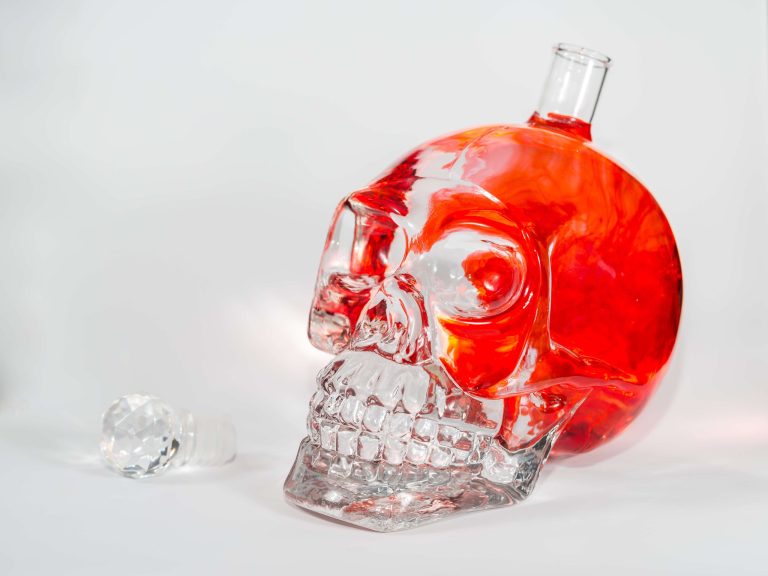
For those in addiction recovery, using alcohol as a coping mechanism can set them down the path of addiction all over again. Instead, it’s vital to look for creative ways to deal with stress, grief, and anxiety in a way that won’t harm your health or sobriety. It is possible to leave alcohol behind and replace it with healthier coping mechanisms.
Participants
Support groups, including Alcoholics Anonymous (AA), provide peer accountability and emotional reinforcement. Practical tips for recovery include setting clear goals, avoiding triggers like social drinking environments, and incorporating stress-management techniques like mindfulness or exercise. Early intervention is key, as untreated AUD can lead to severe complications, including liver disease, neurological damage, and increased risk of suicide. If you’re drinking to tune out negative emotions, it’s time to learn some healthy coping strategies. Without these, you’re likely to fall back into the same pattern of alcohol misuse.
- Chronic alcohol use can worsen neurotransmitter imbalances, leading to increased symptoms of depression and anxiety once the effects wear off.
- Coping mechanisms are activities or reactions people use to deal with something difficult for them.
- Clinicians and healthcare providers should screen for SM among those presenting with MD/AD and provide “gold standard” concurrent treatment to address SM behavior and MD/AD simultaneously.
- Instead of dealing with emotions like anxiety, depression, or shame, alcohol just numbs them temporarily.
Social behaviour
- Previous work using this method has shown support for the SMH (Gorka, Hedeker, Piasecki, & Mermelstein, 2017; Possemato et al., 2015).
- Employers can also play a role by offering mental health resources and fostering environments that discourage excessive drinking.
- Lifetime AUD was also directly predicted by alcohol use and substance use coping at age 23, but was not directly predicted by depressive symptoms at age 23.
- The current study focused on coping mechanisms connecting depression and alcohol use, but other mechanisms may be important as well (e.g., deviant peer processes), and should be examined in future work.
- It wasn’t until December 2023, when I impulsively signed up for The Path, that everything began to change.
It’s important to remember that alcohol use disorder (AUD) and post-traumatic stress disorder are medical conditions, and we are not to blame for how our past experiences have affected us. Painful alcohol as a coping mechanism memories and biochemical changes resulting from trauma can make us more susceptible to alcohol misuse. As a result, a dual diagnosis of Post-Traumatic Stress Disorder (PTSD) and alcohol use disorder (AUD) can often occur. While this response to trauma is completely natural and valid, we each still hold a great capacity to cultivate new ways of coping. Coping mechanisms are generally purposeful and used to manage stressful internal and external situations an individual is experiencing. Coping skills are normally seen as a way to cope with a negative situation, such as a loss of a job.

Finding Positive Coping Mechanisms
This is due to its impact on the brain’s Drug rehabilitation chemistry, disrupting the balance of neurotransmitters and often leading to increased symptoms of mental health disorders. For instance, alcohol can heighten anxiety by interfering with the brain’s natural stress response system, making individuals more susceptible to panic attacks and heightened anxiety levels. As alcohol use increases, it begins to exacerbate the very mental health issues it was intended to alleviate. Alcohol is a central nervous system depressant, and while it may temporarily suppress anxiety or depressive symptoms, it ultimately disrupts the brain’s chemical balance.

Staying in denial can interfere with treatment and your ability to tackle life’s challenges. Due to the Covid-19 pandemic, the study was paused in the beginning of March 2020 in order to protect the safety and health of all personnel involved in the study and to comply with legislative regulations. The saliva samples are taken using salivette ‘code blue’ devices (Sarstedt, Nümbrecht, Germany) directly before the intervention and at three time points after the intervention (Fig. 5). Salivary cortisol concentrations will be determined using a commercially available chemiluminescence assay (CLIA, IBL-Hamburg, Germany).
Whenever stress begins to increase, the compulsive behavior (e.g., drug use, gambling, eating, sex, internet use, etc.) is repeated in an attempt to alleviate the uncomfortable feelings. The compulsion may offer temporary relief or an escape, but this will be short-lived in the case of addiction, and cravings to repeat the behavior will soon reoccur. In conclusion, alcohol dependence is not merely a habit but a complex mental health disorder rooted in biological, psychological, and social factors.